Bully Dog Rhinestone Templates Design
A Designer’s First Look: Bold, Playful, and Built for Personality
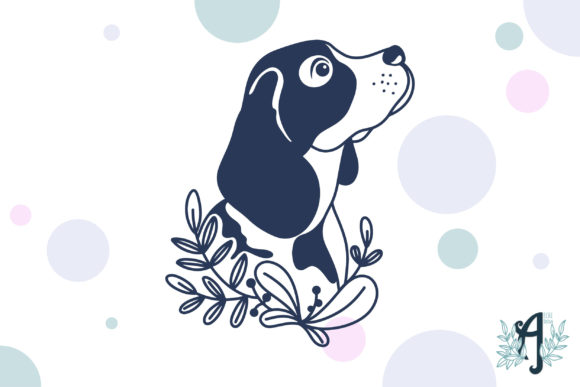
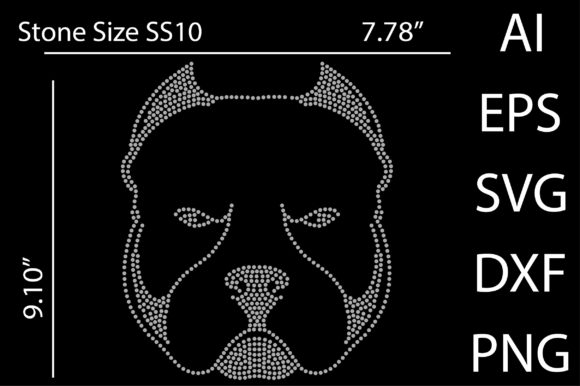
When I opened the Bully Dog Rhinestone Templates Design, what struck me first wasn’t just the silhouette—it was the attitude. This isn’t a generic bulldog outline or a cartoonish caricature. It’s a confident, slightly cheeky profile with strong contours, expressive ears, and intentional negative space that invites rhinestone placement. As a designer who regularly selects embroidery files for client projects—especially custom totes, baby onesies, and boutique sweatshirts—I immediately pictured how this would translate in thread and stone: not as a flat graphic, but as a tactile, dimensional statement.
Where It Shines: Real Projects That Feel Intentional
I tested the Bully Dog Rhinestone Templates Design on a medium-weight cotton canvas tote bag—exactly the kind I stock for my small shop’s local craft fair booth. Paired with a subtle satin-stitched outline and strategically placed clear rhinestones (applied by hand post-embroidery), it landed perfectly: eye-catching but not overwhelming, playful without leaning into kitsch. It worked equally well scaled down for a baby bib and up for a denim jacket back panel.
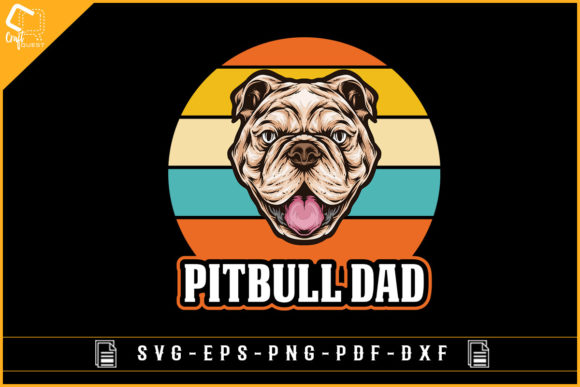
For Etsy sellers and handmade product creators, this design bridges two valuable markets: dog lovers and modern minimalist craft buyers. It fits naturally into holiday embroidery (think “Bully & Bells” pillow covers), personalized gifts (“Bully Dad” aprons), and even nursery decor when stitched in soft pastel threads on organic cotton. As a commercial embroidery file, it holds up across custom apparel, embroidered patches, and kitchen towels—especially when used with thoughtful stitch density and stabilizer choice.
Where to Proceed Thoughtfully
This isn’t a one-size-fits-all embroidery file—and that’s a good thing. Its strength lies in intentionality, not universality. On thin or highly stretchy fabrics like lightweight knits or ribbed baby bodysuits, I recommend reinforcing with cutaway stabilizer and reducing stitch density where possible. The design’s defined edges rely on clean registration; on textured fabrics like terry cloth or bouclé, those crisp lines can blur unless you adjust underlay and hoop tension carefully.
Curved surfaces—like caps or structured hats—require extra attention. The profile shape wraps well, but corners near the jawline and ear tips need test stitching to ensure no distortion. And while the template layout suggests rhinestone placement, avoid cramming stones into tiny interior details unless you’re using 2SS or smaller sizes; larger stones may crowd and lift adjacent satin stitches.
Dark fabric backgrounds bring out richness, but always check contrast in black-and-white mockups before finalizing. A design this bold benefits from thread colors that complement—not compete—with the dog’s natural expression. Navy thread on charcoal? Elegant. Neon pink on black? Fun—but only if it matches your brand voice.
What This Design Says About Your Finished Product
Using the Bully Dog Rhinestone Templates Design signals craftsmanship and care. Customers notice when rhinestones sit evenly, when satin stitches flow smoothly along curves, and when the overall composition feels balanced—not crowded, not sparse. That impression directly impacts perceived value, buyer trust, and repeat engagement. For small shop owners and digital product sellers, this design supports brand consistency: it’s distinctive enough to become a signature motif (think matching tote + tea towel + patch set), yet versatile enough to adapt across seasons and product categories.
It also performs well in printable mockups—clean lines hold up in grayscale previews, and its moderate complexity reads clearly at thumbnail size. That’s critical for Etsy listings and social media banners where first impressions happen in under three seconds.
Practical Notes Every Embroidery Designer Should Keep Handy
- Always test on scrap fabric first—especially with rhinestone templates, since heat-setting adhesives and stone alignment vary by fabric weight and stabilizer type.
- Review stitch density before hooping. Dense fill areas near the muzzle or chest may benefit from reduced density or strategic underlay to prevent puckering.
- Confirm hoop size compatibility. While the design scales well, very small hoops (under 4”) may require simplifying interior details manually.
- Inspect small details at actual stitch-out size—not just on screen. Tiny eyes or nostril accents can disappear if digitized too finely.
- Use proper stabilizer: medium tear-away for stable wovens, cutaway for knits or lightweight blends.
- Check licensing terms before selling finished items or bundling the file with other digital products. The listing notes it's a rare design—so clarify usage rights early.
- Compare light and dark fabric backgrounds in real-time mockups. What reads as bold on white may vanish on heather grey without thread color adjustment.
Final Thought: A Design That Earns Its Place
The Bully Dog Rhinestone Templates Design doesn’t shout. It grins—confidently, quietly, with personality baked in. It’s the kind of embroidery file that elevates a simple tote bag into a conversation starter, turns a baby onesie into a keepsake, and gives a small shop product that intangible “handmade but professional” feel. It belongs in the toolkit of designers who value clarity over clutter, charm over cliché, and real-world performance over pixel-perfect previews. Whether you're an Etsy seller building a cohesive collection, a craft business owner sourcing reliable design assets, or a hobbyist stitching heartfelt gifts—this is one machine embroidery design worth keeping on speed dial.