Shiba Inu
A First Impression That Speaks Volumes
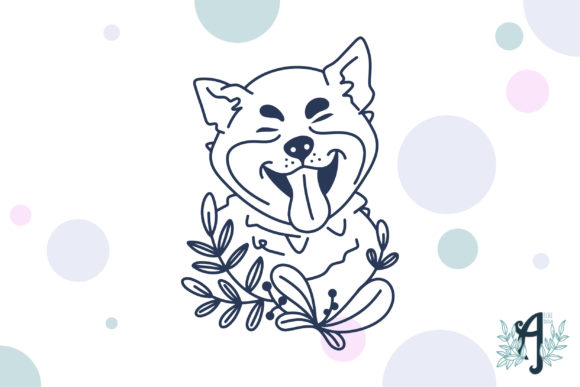
The moment I opened the ZIP file for Shiba Inu, I was greeted with a design that feels both playful and refined. The adorable Shiba Inu is framed by a delicate botanical wreath, creating a whimsical yet elegant composition. The layout is balanced, with enough negative space to let the details breathe. This design isn’t just cute—it’s thoughtful, making it a strong candidate for a wide range of embroidery projects.
Design Personality and Practical Use Cases
Shiba Inu carries a soft, friendly energy that makes it ideal for personalized gifts and handmade products. Its charm is especially suited for baby items, holiday decorations, and custom apparel. The botanical elements add a touch of sophistication, making it versatile enough for both casual and more polished projects.
I imagine using Shiba Inu on a custom embroidered tote bag or a sweatshirt for a boutique brand. It would work beautifully on a pillow cover or a kitchen towel, adding a subtle yet charming detail. For holiday embroidery, this design could be a perfect addition to a festive apron or a wedding gift like a monogrammed cap.
As an embroidery designer, I’d also consider its potential as a digital embroidery file for Etsy sellers or small shop products. The clean lines and well-defined shapes make it suitable for both applique design and satin stitch applications. However, it’s important to test the design on different fabrics to ensure it holds up in real-life use.
Real-World Embroidery Considerations
When evaluating Shiba Inu for commercial or personal use, several factors come into play. The design’s complexity includes intricate botanical details, which may require careful attention during stitching. While the overall layout is clear, some areas—like the leaves and flowers—could be dense, potentially affecting stitch density and fabric texture.
For small hoop sizes, Shiba Inu might be challenging due to its size and detail level. It’s best suited for mid to large hoops, depending on the specific application. On thin or stretchy fabrics, the design could lose some definition, so proper stabilizer use is essential. Testing the design on scrap fabric before committing to a final product is always a wise step.
Another consideration is the thread color contrast. While the design includes a transparent background, the actual color choice will significantly impact how it looks on different fabric types. A white or light-colored thread might stand out better on dark fabrics, while darker threads could blend too much on light backgrounds. Always review your printable mockup in various color combinations before finalizing your project.
Where to Use Shiba Inu with Care
While Shiba Inu has broad appeal, there are scenarios where it might need extra care. For example, curved surfaces like caps can be tricky, as the design’s corners may not align perfectly. Similarly, layered garments or products requiring frequent washing should be tested thoroughly to ensure durability and clarity.
Also, the botanical wreath adds a decorative element that could be overkill for minimalist designs. If you're aiming for a sleek, modern look, consider simplifying the design or using it as a small accent rather than a full-scale embroidery. However, for handmade products or personalized gifts, the added detail can enhance the visual appeal without overwhelming the piece.
Visual Appeal and Brand Consistency
Shiba Inu has the potential to elevate the visual appeal of any project it's used on. Its design assets are well-structured, making it easy to integrate into a cohesive brand identity. Whether you're crafting custom apparel or designing commercial embroidery for a craft business, consistency in style and detail is key.
From a buyer engagement standpoint, the design’s approachability makes it appealing to a wide audience. It’s a great fit for personalized gifts and small shop products, especially those targeting parents, pet lovers, or fans of Japanese culture. The finished product would likely receive positive feedback for its quality and charm.
Practical Design Notes for Embroidery Designers
If you’re an embroidery designer or craft business owner, here are a few practical tips when working with Shiba Inu:
- Test on scrap fabric first to assess how the design performs on different materials.
- Check thread color contrast and consider how it looks on both light and dark backgrounds.
- Review stitch density to ensure clarity and avoid overcrowding.
- Confirm hoop size and stabilize the fabric properly to maintain detail.
- Inspect small details like tiny lettering or intricate patterns.
- Test in black and white mockups to see how the design holds up.
- Use proper stabilizer to prevent puckering or distortion.
- Ensure the design works for both personal and commercial use.
- Confirm licensing terms before selling finished items or digital products.
By following these steps, you can maximize the potential of Shiba Inu and ensure it meets the expectations of your customers and clients.