To Rescue is to Love
A Designer’s First Impression
As a designer who has stitched countless projects from custom apparel to holiday gifts, the first thing that strikes me about To Rescue is to Love is its emotional resonance. The design carries a quiet strength and warmth that feels deeply personal. It’s not just a quote; it’s a statement of compassion and care, which makes it ideal for handmade products that aim to evoke sentiment.
The Visual Language of Compassion
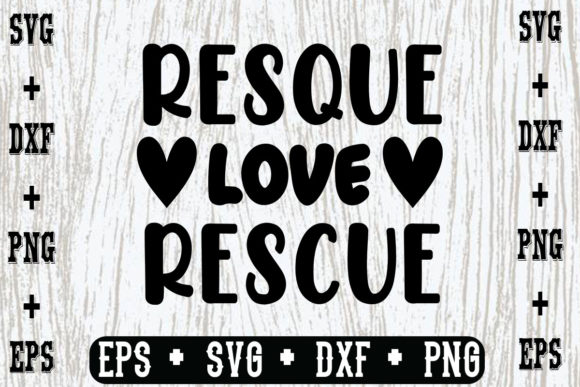
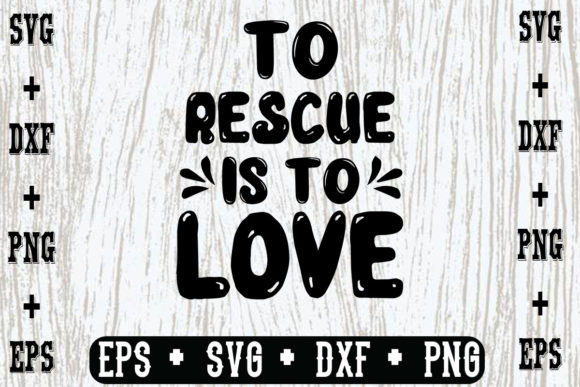
To Rescue is to Love is a clean, minimal design with a thoughtful layout. The text is centered, with a soft, flowing script that feels both elegant and approachable. The spacing between letters and the overall balance create a sense of calm and sincerity. This kind of visual language works well in contexts where the message needs to be clear but not overwhelming—perfect for items like embroidered patches, baby clothes, or personalized gifts.
The design’s simplicity also means it doesn’t compete with the fabric or the stitching. It allows the material to breathe, which is especially important when working with delicate or textured fabrics. I imagine this design would look stunning on a white linen tote bag or a light-colored cotton sweatshirt, where the contrast between the text and background enhances readability.
Real-World Use Cases
When thinking about practical applications, To Rescue is to Love fits naturally into a variety of embroidery projects. It could be used for custom apparel, such as t-shirts or sweaters, where the message can be subtly integrated into the design. It also works well on personalized gifts like pillow covers, tea towels, or baby blankets, where the sentiment can be both comforting and meaningful.
For commercial embroidery, the design’s clarity and simplicity make it an excellent choice for small shop products, Etsy listings, or boutique branding. It’s versatile enough to be used across different product lines without losing its core message. However, it’s important to consider how the design will perform in various settings before committing to a large-scale project.
Considerations for Real-Life Embroidery
While To Rescue is to Love looks great on paper, there are several factors to consider when using it in real-life embroidery situations. For instance, the design’s fine details and delicate script may not translate well to small hoop sizes. A 4-inch hoop might struggle to capture the full clarity of the text, especially if the stitch density is high.
Similarly, the design’s intricate lettering could pose challenges on textured fabrics or stretchy materials. These fabrics can cause distortion, making the text appear uneven or blurry. To mitigate this, it’s essential to use the right stabilizer and test the design on scrap fabric before proceeding with the final product.
Dark fabrics also present a challenge. While the design’s colors are neutral, they may not stand out sufficiently on darker backgrounds. Testing the design in black and white mockups can help identify potential visibility issues before moving forward.
Design Quality and Professional Presentation
The quality of the To Rescue is to Love design file is crucial for maintaining the integrity of the finished product. As a professional, I always recommend checking the stitch density and ensuring that the file is compatible with your embroidery machine. The provided formats—SVG, PNG, DXF, EPS—are standard, but it’s worth verifying that they work seamlessly with your software and hardware.
Additionally, the thread color contrast plays a significant role in the final appearance. Choosing the right thread can enhance the design’s visibility and emotional impact. For example, a deep red or navy blue thread might add a dramatic touch to a white fabric, while a soft gray could provide a more subdued effect.
Handmade Value and Customer Trust
When selling handmade products, the design’s ability to convey emotion and meaning is just as important as its technical execution. To Rescue is to Love has the potential to build customer trust and foster a sense of connection. Whether it’s a custom embroidered cap for a rescue dog or a heartfelt gift for a grieving pet owner, the design adds value beyond its aesthetic appeal.
However, it’s important to ensure that the design is used appropriately. If you’re planning to sell digital files or finished products, confirm the licensing terms to avoid any legal issues. Always check whether the design is suitable for commercial use and whether it aligns with your brand’s values.
Practical Design Notes for Embroidery Professionals
- Test the design on scrap fabric first to assess stitch quality and clarity.
- Check thread color contrast against different fabric backgrounds.
- Review stitch density to ensure it matches your machine’s capabilities.
- Confirm hoop size to avoid distortion or poor detail.
- Inspect small details for clarity and consistency.
- Use proper stabilizer to prevent puckering or shifting.
- Test in black and white mockups to evaluate visibility.
- Compare light and dark fabric backgrounds for optimal presentation.
- Ensure the design works for both personal and commercial projects.
- Confirm licensing before selling finished items or digital products.
Final Thoughts
To Rescue is to Love is a thoughtful, emotionally rich design that has the potential to elevate a wide range of embroidery projects. Its simplicity and clarity make it a strong candidate for both personal and commercial use, but it requires careful consideration when applied to specific materials and environments.
As a designer, I find value in designs that resonate on both a visual and emotional level. To Rescue is to Love does exactly that, offering a meaningful message wrapped in a clean, professional format. With the right preparation and attention to detail, it can become a powerful addition to your craft business, Etsy shop, or handmade collection.