Dog Paw Pen Wrap: A Designer’s Real-World Embroidery Review
First Impressions: Sweet, Simple, and Surprisingly Versatile
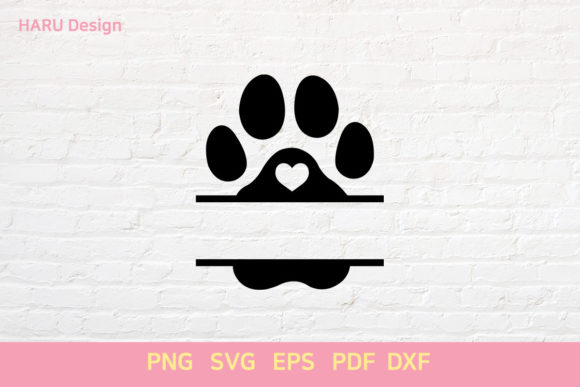
When I opened the Dog Paw Pen Wrap file, my first thought wasn’t “cute dog motif”—it was “this has quiet confidence.” It’s not fussy. No over-rendered claws or cartoonish expressions. Just a clean, slightly rounded paw outline with subtle negative space between pads—balanced, friendly, and instantly recognizable. As a designer who evaluates hundreds of embroidery files each year, I appreciate how much restraint matters. This isn’t a design shouting for attention; it’s one that earns it through thoughtful proportion and gentle rhythm. It reads well at small scale, holds up in monochrome, and carries warmth without leaning into kitsch. That makes it ideal for handmade products where authenticity matters—think baby onesies, linen tea towels, or minimalist aprons for a pet-friendly café.
Where It Shines: Real Projects, Real Customers
Last week, I used the Dog Paw Pen Wrap as the central motif on a custom embroidered tote bag for a local rescue volunteer. We stitched it onto natural canvas using soft ecru thread and a light tear-away stabilizer. The result? A finished product that felt intentional—not like a sticker slapped on fabric, but like part of the item’s story. That’s the magic of this design: it supports narrative. It works beautifully on sweatshirt embroidery (especially chest placements), embroidered patches meant for denim jackets, and even tiny pillow covers for nursery decor. Because it’s inherently scalable and low-detail, it adapts to both delicate baby embroidery and bold holiday embroidery—say, on a red-and-white kitchen towel for a dog lover’s Christmas gift.
I’ve also seen Etsy sellers use it effectively in digital embroidery bundles—paired with bone motifs, paw-print borders, or simple “Bark & Brew” text—as part of a cohesive craft business collection. Its seamless flow makes it feel like part of a larger design language, not an afterthought. And because it’s delivered as a waterslide PNG digital file, it transitions cleanly into printable mockups for shop listings—no jagged edges, no pixelation when resized for thumbnails.
Where to Pause—and Test First
That said, don’t assume it’s foolproof across all surfaces. On stretchy fabric like cotton jersey tees or curved caps, the clean lines can blur if stabilizer choice or hooping tension isn’t dialed in. I recommend testing the Dog Paw Pen Wrap on scrap fabric first—not just to check stitch density, but to see how the shape holds up under slight distortion. Thin fabrics (like lightweight muslin or gauze) may need cutaway stabilizer underneath to prevent puckering around the outer curve. And on dark fabric, avoid pale thread unless you’re aiming for subtlety; medium-gray or charcoal gives better definition without losing softness.
It’s not built for ultra-fine detail work—so skip it for intricate applique designs or layered satin-stitch projects where texture is the star. Likewise, avoid cramming it into tiny hoop sizes (< 3 inches) unless you’re confident in your machine’s ability to render smooth curves at reduced scale. There’s no lettering or fine interior line work here, so don’t expect complexity—but that’s the point. Its strength is clarity, not clutter.
What It Adds to Your Finished Product—Beyond Aesthetics
This is where the Dog Paw Pen Wrap quietly elevates your work. It boosts perceived value without demanding premium pricing. A customer buying a personalized gift—a baby blanket, a holiday mug cozy, or a boutique-branded apron—doesn’t just see a paw; they see care, consistency, and craftsmanship. That translates directly into trust. When the design stitches cleanly and reads clearly—even after multiple washes—it reinforces your reputation as a reliable maker.
For small shop owners and Etsy sellers, it’s a smart branding asset: neutral enough to fit diverse shop identities (whimsical, modern, rustic, or minimalist), yet distinctive enough to become a signature touch. Used consistently across tote bags, patches, and tea towels, it builds recognition—like a visual whisper that says, “This is made by someone who pays attention.”
Practical Notes Every Embroidery Designer Should Keep Handy
- Always test first: Run the Dog Paw Pen Wrap on scrap fabric matching your final project’s weight and stretch.
- Check contrast: View it in black-and-white mockups—does the shape hold up on light and dark backgrounds?
- Review stitch density: Even simple shapes can overfill if fill stitch settings are too aggressive—adjust based on fabric texture.
- Confirm hoop size compatibility: While it scales well, verify your intended hoop size fits comfortably with margin.
- Inspect corners and curves: Zoom in digitally—look for jagged vector edges or unintended overlaps before stitching.
- Use proper stabilizer: Light tear-away for stable wovens; cutaway for knits or delicate layers.
- Verify licensing: Since this is a digital embroidery file sold as a graphics asset, confirm commercial use rights before selling finished embroidered items or bundling it into craft business kits.
A Final Thought—Design With Purpose, Not Just Pattern
The Dog Paw Pen Wrap won’t wow with technical fireworks—but it doesn’t need to. In the world of crafts and handmade products, the most successful designs are the ones that serve their purpose gracefully. It’s a reliable tool in your embroidery toolkit: warm enough for baby embroidery, grounded enough for commercial embroidery, and refined enough for boutique branding. Whether you’re prepping for a craft fair, building an Etsy listing, or creating a personalized gift, this design asks little—and delivers more than expected. Just remember: great embroidery starts not with the file, but with intention. So choose your thread, stabilize wisely, and let the Dog Paw Pen Wrap do what it does best—speak softly, and stay memorable.