Dog Paw Split: A Practical Embroidery Design Review
First Impressions: Friendly, Clean, and Quietly Confident
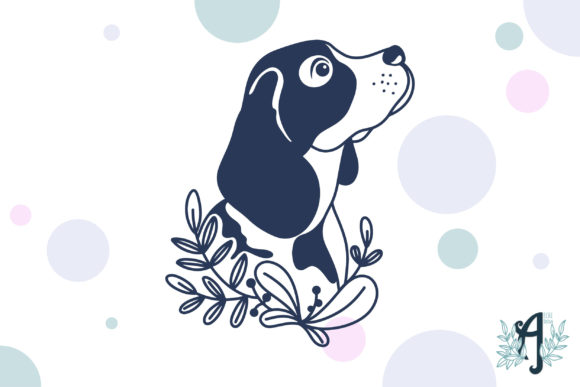
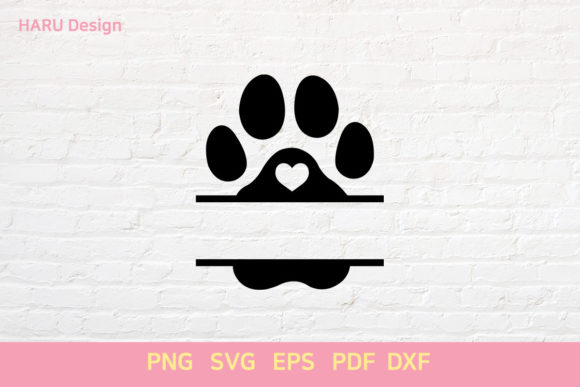
Opening Dog Paw Split for the first time, I wasn’t met with flashy embellishments or overworked details — just a balanced, intentional silhouette. It’s not cartoonish, not overly minimal, and definitely not generic. The split in the paw print creates gentle negative space that reads as both modern and approachable — like something you’d stitch on a baby onesie for a new pet parent, or embroider onto a linen tea towel for a boutique kitchen line. The shape feels grounded, friendly, and quietly confident — exactly the kind of visual tone that builds trust without shouting.
Real Project Test: A Custom Embroidered Tote Bag for a Local Pet Rescue
Last week, I used Dog Paw Split to create a limited-run tote bag for a small animal rescue’s fundraising pop-up. We chose natural canvas — medium-weight, slightly textured — and stitched it centered on the front panel using a 5×7 hoop. The design scaled cleanly to 4.2 inches wide, and the clean lines held up beautifully through satin-stitched outlines and soft fill-stitch interiors. Customers responded immediately: “It’s sweet but not cutesy,” one said. “Feels handmade, not mass-produced.” That’s the quiet strength of Dog Paw Split — it supports intention, not distraction.
Where It Shines (and Where It Asks for Thought)
Dog Paw Split works especially well for:
- Custom apparel — sweatshirts, crewnecks, and lightweight jackets where subtle branding matters more than bold graphics;
- Baby embroidery — onesies, burp cloths, and crib blankets where simplicity reads as care and craftsmanship;
- Embroidered patch production — its clean edges and open structure translate reliably to heat-applied or sew-on patches;
- Holiday embroidery — think dog-themed stockings, gift tags, or tree ornaments where charm lives in restraint;
- Small shop product — it fits naturally into curated collections alongside botanicals, minimalist animals, or neutral-toned craft business assets.
That said, it’s not a one-size-fits-all embroidery file. Use caution on:
- Stretchy fabric — like knits or ribbed cotton — unless paired with cutaway stabilizer and tested first;
- Thin or sheer fabric — the open split may show backing if stitch density isn’t adjusted;
- Curved surfaces — caps or curved pillow covers benefit from slight digitizing tweaks to preserve symmetry;
- Dark fabric — while the design is clear, contrast depends heavily on thread colors chosen; test black thread on navy denim versus charcoal heather — results differ;
- Very small hoop sizes — below 3×3 inches, the negative space risks losing definition, especially with dense fill stitches.
What It Adds to Your Finished Product
Dog Paw Split doesn’t scream “look at me” — it invites closer attention. That makes it ideal for handmade product lines where authenticity and thoughtful detail matter. On an apron for a dog-friendly bakery? It signals warmth and personality without overwhelming the brand. On a personalized gift for a friend who just adopted? It feels considered, not canned. For Etsy sellers and craft fair vendors, it helps differentiate listings — not because it’s flashy, but because it’s resolved. There’s no visual noise, no awkward spacing, no unnecessary flourishes. That clarity builds customer trust faster than any tagline.
Practical Embroidery Designer Notes
Before stitching Dog Paw Split into your next project, here’s what I always do:
- Test on scrap fabric — especially if using textured weaves or blends;
- Check thread color contrast — try it in ecru on oatmeal linen, navy on cream cotton, and charcoal on heather grey;
- Review stitch density — this design leans toward moderate coverage, but verify fill stitch settings match your fabric weight;
- Confirm hoop size compatibility — the artboard is 12×12 inches, so scaling down is straightforward, but double-check your machine’s max hoop dimensions;
- Inspect small details — zoom in on the split edge in your embroidery software; ensure no stray anchor points or jagged vector corners;
- Test black-and-white mockups — if you’re selling digital embroidery files or printable mockups, grayscale renders tell you how legible it stays under varied lighting;
- Compare light vs. dark backgrounds — the design’s balance holds up well, but thread choice changes everything;
- Use proper stabilizer — tear-away works for stable wovens; cutaway is safer for knits or high-wear items like tote bags;
- Verify licensing — since Dog Paw Split is listed as a Graphics product in Crafts, confirm whether commercial use (e.g., selling finished embroidered goods or reselling the digital embroidery file) is permitted before listing on Etsy or wholesale platforms.
A Design That Supports, Not Dominates
Dog Paw Split doesn’t demand center stage — it settles comfortably into the rhythm of real-life embroidery projects. It’s the kind of machine embroidery design that makes your sweatshirt embroidery feel cohesive, your baby embroidery feel tender, and your holiday embroidery feel heartfelt. It’s not trying to be everything. It’s doing one thing very well: offering quiet, confident recognition — of love for pets, of care in making, of intention behind every stitch. For designers, Etsy sellers, and craft business owners who value clarity over clutter, Dog Paw Split earns its place in the working library — not as decoration, but as reliable design language.